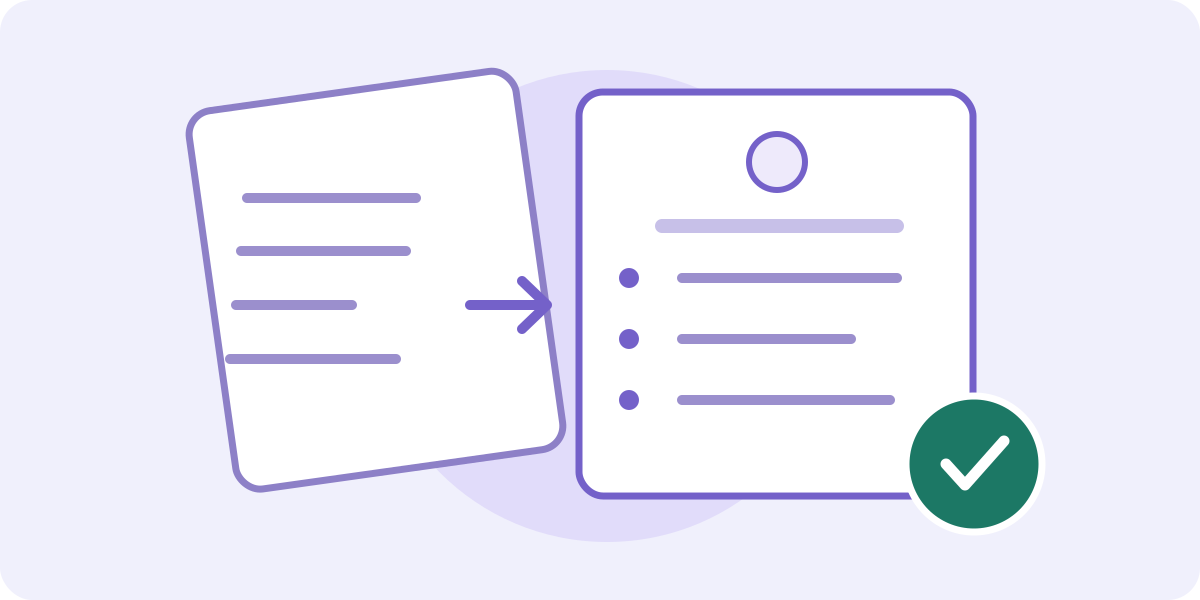
To translate a job description, keep the approved source beside the translated draft and check each requirement before sharing it. A fluent sentence can still turn a preferred skill into a condition for applying, or make a hybrid role sound fully remote.
This guide is for hiring teams translating an existing job description into another language. If you are reading an unfamiliar listing as an applicant, use a translation to understand it, then ask the recruiter to clarify any requirement or working condition you cannot confirm.
- Start with the current job title, duties, requirements and working conditions.
- Translate a short section with its heading so the wording has context.
- Compare the result with the source, then check the published job page and application form.
Separate Requirements from Preferences
Before translating, mark which skills are required and which are optional. Keep words such as “required,” “preferred,” “at least” and “up to” attached to the right item. If the source is unclear, ask the role owner to clarify it first. Translation should not decide which qualifications the employer meant to require.
Choose the intended audience and locale before you start. Keep a small approved term list: the source job title, department and qualifications, their agreed translations, and any terms that must stay unchanged. Translate each heading with its bullets, then read the assembled description once for inconsistent terminology.
Keep the distinction when you edit for natural phrasing. A heading called “Requirements” can make a mixed list sound mandatory even when one bullet was only a preference. Give preferred skills their own heading if that makes the original meaning easier to see. Recruitee’s guidance likewise distinguishes essential skills from preferences.
Recruitee’s inclusive job-description guidance
Try a Short Job Description Excerpt
Use the fictional Spanish excerpt below to practise. It describes a customer-support role, an optional language skill and a specific working arrangement. This is an author-written exercise, not a real vacancy or an observed JotMe result.
Se requiere experiencia en atención al cliente. Se valora el alemán, pero no es obligatorio. Puesto híbrido en Madrid: dos días por semana en la oficina, 30 horas semanales.
- Set the source to Spanish and the target to English for this example. For your own excerpt, choose its actual source and target languages.
- Paste the whole excerpt. Translation starts automatically after you pause; there is no separate submit step.
- Keep the source visible and compare every requirement, location and number with the result. Read any explanation notes as help with wording, not as confirmation of the job’s conditions.
- Copy the displayed translation into an editable document, make the agreed corrections there, and save it beside the dated source. Adding an instruction to the source box does not directly edit the result; changing the input can trigger another translation.
Check the remaining demo allowance before pasting. A new text demo displays an initial 5,000-token allowance; previous use can leave less. Tokens are not a fixed word count, and changing the passage or language can start another translation. Use a short section you are allowed to share. Use approved public text or a redacted excerpt. Remove internal hiring comments and unnecessary personal details before submitting it.
Try it yourself
0 / 5,000 used · 5,000 left
Translation will appear here
Explanation
An explanation of translation choices appears here when your translation is ready.
Check the Meaning Before Polishing the Wording
For this exercise, the result should say that customer-service experience is required, German is preferred rather than compulsory, and the role is hybrid in Madrid. It must retain two office days a week and 30 working hours a week. These are checks against the written source, not a prescribed translation you have to copy.
Here is one possible English wording, checked editorially against the fictional Spanish source. It is an illustration, not a captured JotMe output or a guarantee that every run will use these words:
- “Se requiere experiencia en atención al cliente” → “Customer-service experience is required.” Check: the experience is mandatory.
- “Se valora el alemán, pero no es obligatorio” → “German is preferred but not required.” Check: the language skill stays optional.
- “Puesto híbrido en Madrid” → “A hybrid role in Madrid.” Check: both the arrangement and city remain.
- “dos días por semana en la oficina” → “Two days a week in the office.” Check: retain the attendance and weekly period.
- “30 horas semanales” → “30 hours a week.” Check: retain both the number and unit.
Two office days and 30 weekly hours do not establish the total number of working days, where the other hours are worked, or whether the contract is full-time or part-time. Do not invent three remote days or a contract classification. Ask the employer to clarify the source when that schedule matters.
- Requirement strength: did “preferred” become “required,” or did a condition disappear?
- Work arrangement: did the city, office attendance or remote-work restriction change?
- Hours and quantities: did the number survive with the same unit and time period?
- Role scope: does the translated title describe the same level and responsibilities?
- Qualifications: are degrees and certificates still the source qualifications, without an invented local equivalence?
- Compensation: preserve the stated salary range, currency, hourly/monthly/annual basis and any gross/net wording. Ask about missing details; do not silently convert currency or infer take-home pay.
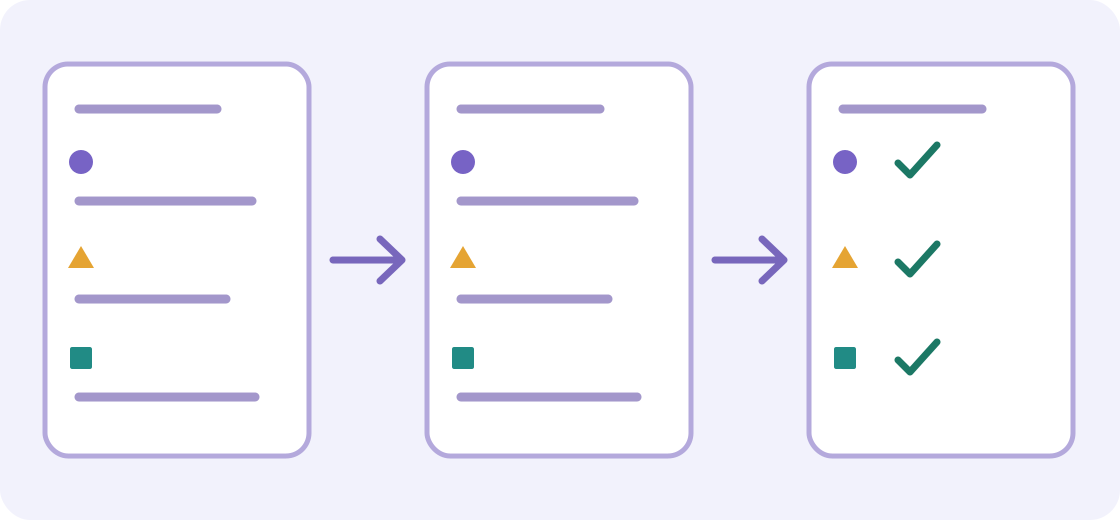
A separate fictional title-and-duty example: “Coordinate a support team’s rota” should not become “Manage the support team.” Coordinating a schedule does not itself grant line-management authority. Keep the same responsibility and level; this example was not submitted as part of the Spanish demo excerpt.
Once the meaning matches, make the wording natural for the intended audience. Explain an internal abbreviation if the source makes its meaning clear. If a local job title or qualification has no direct equivalent, keep enough of the original term for the role owner to confirm it. Do not add a benefit or promise to make the copy more attractive. Flag jargon, gendered wording and unclear local titles for the role owner and a reviewer who can compare both languages. Record substantive editorial changes separately so clearer, more inclusive wording does not silently change approved requirements.
Check the Job Page as Well as the Description
Changing a careers page’s language does not necessarily translate every field. Workable’s Language Kit documentation, for example, separates translated interface labels from manually entered job descriptions, titles and custom application questions. Check the actual preview instead of assuming the language selector covered everything.
- Open each heading, title and description field in the candidate-facing preview.
- Check the questions, answer choices and instructions on the application form.
- Follow the apply link and read the next screen in the intended language.
- Compare any job-board copy with the approved version; a second system may store its own text.
This guide covers translating written job text. It does not approve the role, decide who should apply, or establish that a posting meets local employment requirements. Have a reviewer who can compare both languages check the meaning and the role owner approve the facts. If that review is unavailable, send unresolved terms back to the employer before sharing the wording.
Choose the Right Source for the Next Step
For selectable text, use a short, complete passage with its heading. Keep the source beside the editable draft so you can review the meaning.
For a screenshot-only listing, open the separate image translator, choose the target language, upload a clear supported image and click “Translate image.” Its source language is auto-detected. The page lists PNG, JPEG, WEBP and GIF with a displayed limit of 4 MB; use a static image and keep complete requirement lines when cropping. Review small words, line breaks and numbers against the original. The image tool has its own allowance.
For an appropriate PDF or DOCX, the separate document translator offers a file route with a 10 MB and 50,000-character limit. Check its available allowance and service availability before uploading, and review any downloaded result. The embedded text box does not upload files, and a translated document is not a promise of identical formatting. If the file service is unavailable, use an approved selectable excerpt in the text tool.
Applicants preparing materials afterward can use the separate résumé guide. Keep the applicant’s actual experience intact; a translation must not imply that an unmet requirement has been met.
Job Description Translation FAQs
How do I translate a job description into English?
Start with the approved source text, choose the correct languages and translate a complete short section with its heading. Compare requirements, duties, location and hours with the original. Have someone who can compare both languages review the meaning and the role owner approve the facts before publishing.
Should I translate the job title word for word?
Check what the title means in the role. Choose wording that fits the actual responsibilities and level. If a local title could imply different authority or qualifications, keep the original term visible until the role owner confirms the wording.
How do I keep required and preferred skills separate?
Preserve the strength of each statement and the heading it belongs under. Do not let an optional skill become a condition for applying. Clarify ambiguous source wording before translating it.
Does selecting another language translate the entire job posting?
Check your recruiting platform’s behavior. Titles, manually entered text and custom application questions may need separate translations. Preview the job page, application form and next screen rather than assuming all fields changed.
Can I paste the whole job description into the demo?
Check the remaining allowance shown in the text tool. A short section with its heading is easier to compare and review; previous use can reduce the allowance and changing the text can trigger another translation. For an appropriate PDF or DOCX, check the separate document translator’s allowance and availability. Its file and character limits apply separately, and formatting still needs review.
Can I use a translated job description without reviewing it?
Review the meaning against the source and inspect the actual candidate-facing page before sharing it. A reviewer who can compare both languages checks meaning; the role owner approves the facts. Return unresolved wording to the employer. Translation does not confirm job conditions, qualification equivalences or compliance with local employment requirements.