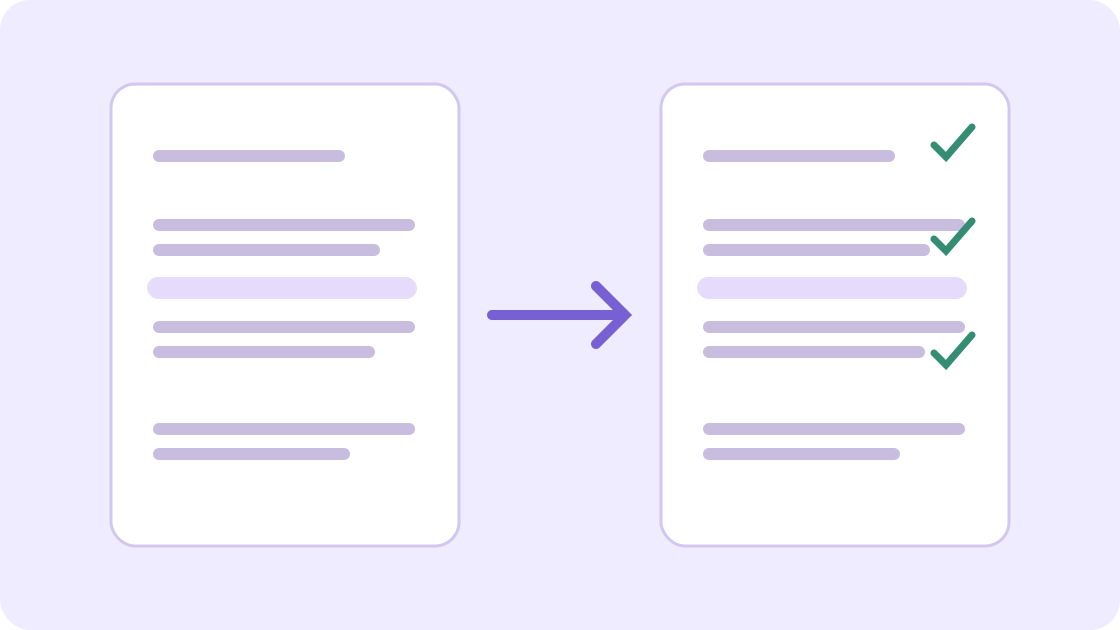
To translate an academic abstract, keep the research question, method, results and limitations intact while rewriting the wording naturally in the target language. A fluent draft is still wrong if it changes the sample, drops a negative result or turns a tentative conclusion into a proven effect.
This guide covers a short text you are permitted to use in an external translation tool. It helps you prepare and review a language draft; it does not validate a study, check statistical calculations, certify a document or guarantee acceptance by a university, conference or journal.
- Confirm the approved source version and the receiving institution’s instructions.
- Translate the complete short abstract in its actual language direction.
- Check the research facts and qualifications against the source before editing the submission copy.
Decide Whether You Need Translation or a New Summary
An abstract translation and a shorter summary are different tasks. Translation should preserve the information in the source abstract. Reducing it to a new word limit, adding an explanation or rewriting the conclusion is a separate editorial decision for the author or responsible research team. Keep a faithful draft before making an approved adaptation.
Use the final approved abstract, title and any permitted terminology references. If an acronym or method name depends on the full paper, consult the relevant passage or ask the author. Do not upload unpublished, confidential or personal research material unless your team permits that use; remove unnecessary details from a working excerpt and keep any mapping in your approved workspace.
Try a Short Fictional Spanish Abstract
The following author-written practice passage describes an invented irrigation study. It is not a published paper, real research evidence or an observed JotMe output. The numbers and conclusions exist only to make the translation checks concrete.
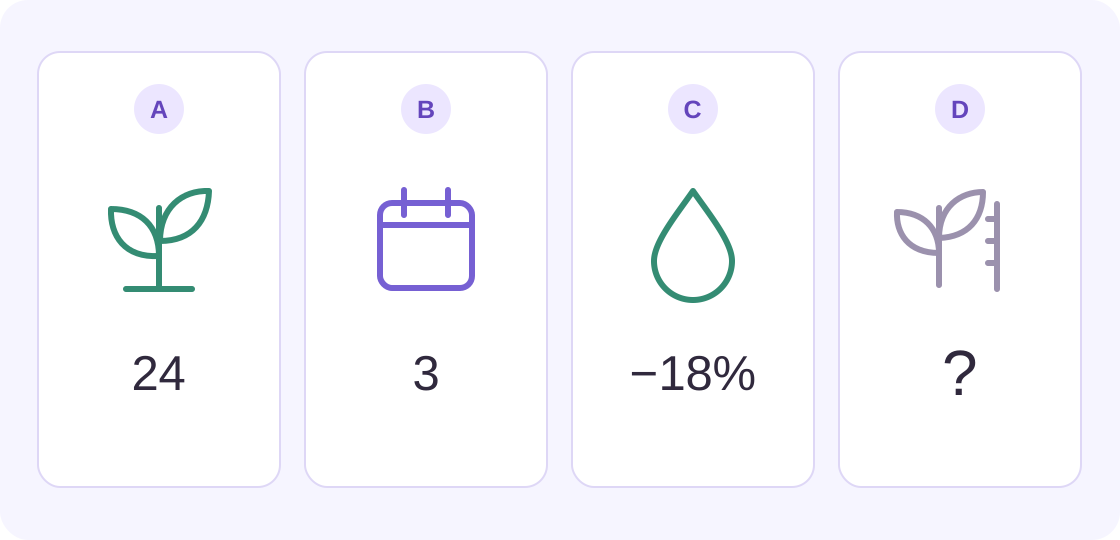
En este estudio piloto se compararon dos métodos de riego en 24 plantas durante tres semanas. En las condiciones ensayadas, el método B utilizó un 18 % menos de agua en promedio que el método A. No se evaluó el crecimiento de las plantas. Los resultados sugieren un posible ahorro de agua, pero se requieren ensayos de mayor duración.
- Set the source language to Spanish and the target to English for this exercise. Choose the actual languages for your own abstract.
- Paste the whole labelled practice passage. Translation starts automatically after you pause; there is no separate submit button.
- Keep the original visible. Compare each research fact before moving the draft into your approved editable document.
Check the remaining text allowance before you start. A new demo displays an initial 5,000-token allowance; previous use can leave less, and tokens are not a fixed word count. Editing the source or changing a language can start another translation. The explanation panel may add interpretations, so compare its comments with the source rather than treating them as research evidence.
Try it yourself
0 / 5,000 used · 5,000 left
Translation will appear here
Explanation
An explanation of translation choices appears here when your translation is ready.
Check the Study’s Scope Before Polishing the English
For the fictional exercise, a faithful English draft must still describe a pilot comparison of two irrigation methods in 24 plants over three weeks. It should report that B used 18% less water on average than A under the tested conditions. It must also say that plant growth was not evaluated, the saving is only a possibility suggested by the results, and longer trials are needed. These are editorial meaning checks, not a captured or prescribed tool response.
- Study design: keep “pilot” and the comparison of two methods. Do not rename it a large trial or assume random assignment.
- Sample: 24 plants is the stated total. The passage does not give a separate count for each method; do not invent one.
- Duration: three weeks remains three weeks. A later recommendation for longer trials is not part of the observed study period.
- Result: B used 18% less water on average than A, under the tested conditions. Keep the direction, comparator, percentage, average and scope together.
- Unmeasured outcome: plant growth was not evaluated. Do not replace that with unchanged, improved or reduced growth.
- Conclusion: possible water savings are suggested, with longer trials still required. Do not turn that into proof that B always saves water.
Preserve Qualifications as Carefully as Numbers
Match the source’s degree of certainty. “May,” “suggests” and “under the tested conditions” can carry material meaning. Do not remove them to make the English sound more confident. Equally, do not weaken a clearly stated finding merely because cautious wording sounds more academic; ask the author if the source itself seems overstated or unclear.
Keep negation attached to the right claim. “Growth was not evaluated” describes missing measurement, not evidence that growth did not change. Likewise, an association should not become a causal explanation. Translation cannot supply an experiment, comparison or statistical test that the source does not report.
Check each value with its unit, denominator or comparison where supplied. Preserve sample sizes, ranges, signs and uncertainty expressions. If a decimal convention changes, verify the numerical value against the source. Do not silently convert units, fill in absent statistics or correct a suspected calculation inside the translated abstract.
Resolve Terminology Using the Paper’s Actual Context
Prepare a small bilingual term list in your approved working document: source term, agreed target term and the reference supporting the choice. Use the author’s terminology, the full paper and relevant primary literature when available. A plausible dictionary equivalent alone may miss the discipline-specific meaning.
Keep model names, dataset identifiers, symbols, author names and reference identifiers exact unless an approved official form applies. Check abbreviations in context before expanding them. The same letters can mean different things across fields, and a general translation explanation does not establish the intended technical definition.
The term list is a review aid you maintain separately. This workflow does not claim that pasting a glossary into the source box creates a protected terminology setting. Extra instructions entered there become part of a new translation request; make approved wording corrections in your editable draft and compare the result with the source again.
Check the Destination’s Rules Without Removing Findings
Read the actual university, conference or journal instructions for the destination: language, word or character count, headings, title, abbreviations and submission format. A rule from another journal is not a universal abstract standard. Count the final text using the destination’s stated method, including whether headings or keywords count.
For example, PLOS One’s own submission guidance asks an abstract to describe the objective, explain how the study was done and summarize the main results and significance; it sets a 300-word maximum and excludes citations. This is one journal’s rule. Follow the requirements of your actual destination rather than applying that limit or citation rule everywhere.
PLOS One submission guidelines: Abstract
If the translated draft exceeds the allowed length, do not quietly remove a sample detail, negative finding or limitation. Ask the author to approve a concise adaptation, retain a traceable faithful version and recheck the adapted abstract against the study. Translation and shortening should remain distinguishable in the review record.
Use Text, a Permitted Image or the Separate PDF Guide
Use the embedded text tool when you can copy the complete short abstract accurately. If you only have a photo or screenshot, the separate Image Translation tool can help you read the visible text: choose the target language, upload a supported image within the displayed limit, then click Translate image. Its source language is detected automatically.
The image tool currently displays a 4MB limit and accepts PNG, JPEG, WEBP and static GIF, with a separate allowance. Preserve the full paragraph, symbols and nearby labels needed for meaning. Redact unnecessary details inside the exported image and inspect that export before uploading. Compare recognized minus signs, decimal marks, subscripts and numbers with the original; a readable sentence does not prove recognition was correct.
For a scanned paper, use the separate scanned-PDF guide to distinguish page images from selectable text. This short text workflow does not translate a whole paper, verify its references or preserve the original document layout.
Guide to translating a scanned PDF
Finish With a Language Check and a Research Check
Have someone who can compare both languages check the complete source and draft for omissions, additions, scope and terminology. The author or a qualified subject reviewer should separately confirm the research meaning. A back-translation can prompt questions but is not proof of accuracy: a second translation can repeat or hide the first error.
Save the unchanged source and reviewed draft together, with their languages, source version, review date and unresolved questions. Make approved corrections in the editable working copy; instructions added to the translator’s source input do not directly edit the displayed result and can trigger another request. Before submission, check the final pasted or exported version, since symbols and formatting may change during transfer.
Use the institution’s normal review and submission process. If it requests certified translation or a complete thesis package, confirm the exact requirements with the recipient. A short JotMe draft is not certification, peer review, research validation or confirmation that an application is complete.
Academic Abstract Translation FAQs
How do I translate an abstract into English?
Use the final permitted source abstract, select its actual source language and English as the target, then compare the complete draft with the original. Check the research question, design, sample, duration, results, terminology and limitations. Keep a faithful version before any separately approved shortening or editing.
Should the translation be word for word?
Natural wording can change while the research information stays the same. Reorganizing a sentence must not change who or what was studied, the measured result, negation or the degree of certainty. Resolve ambiguous source wording with the author instead of inventing a clearer finding.
Can I shorten the abstract while translating it?
Treat shortening to a new limit as a separate adaptation. Retain a faithful draft and obtain the author’s approval for substantive cuts. Follow the destination’s actual word or character rules, then verify that the shortened text still represents the study and retains material qualifications.
Does “not evaluated” mean there was no effect?
No. In the fictional exercise, growth was not evaluated. That does not establish unchanged, improved or reduced growth. Preserve the absence of measurement rather than converting it into a result, and do not add statistical or causal claims the source does not provide.
Can I translate an abstract from a screenshot?
Use the separate Image Translation tool for a permitted clear image. Select the target, upload PNG, JPEG, WEBP or static GIF within the displayed 4MB limit, then click Translate image. Check its separate allowance, retain the complete paragraph and relevant symbols, redact unnecessary details and compare recognized text and numbers with the original.
Is a translated draft ready for journal submission?
It still needs complete bilingual checking, confirmation of technical meaning by the author or qualified subject reviewer and a check against the actual destination’s instructions. Translation does not validate research, certify a document or guarantee acceptance. Verify the final transferred version and use the institution’s normal process.